Renovation and basement wiring
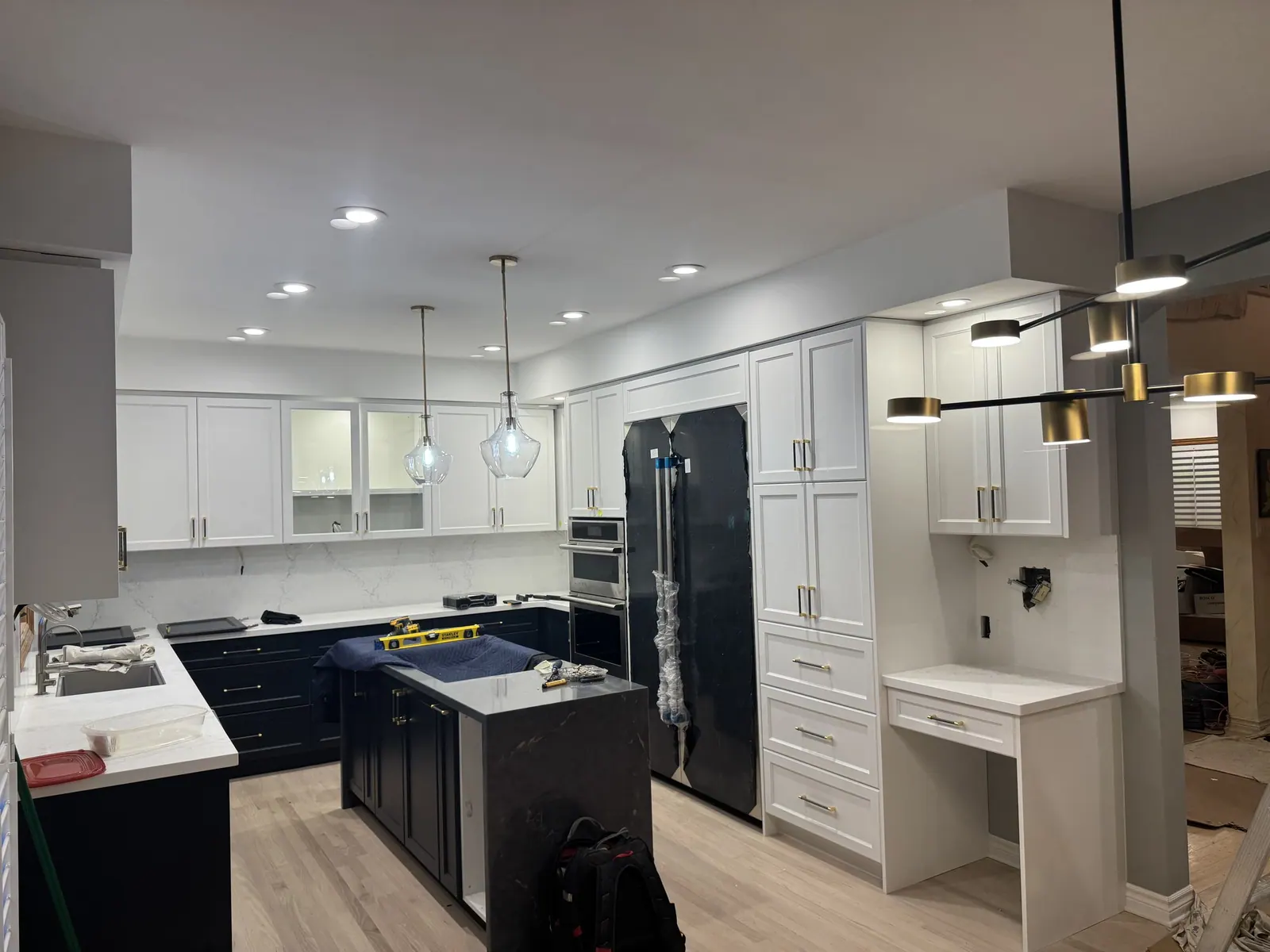
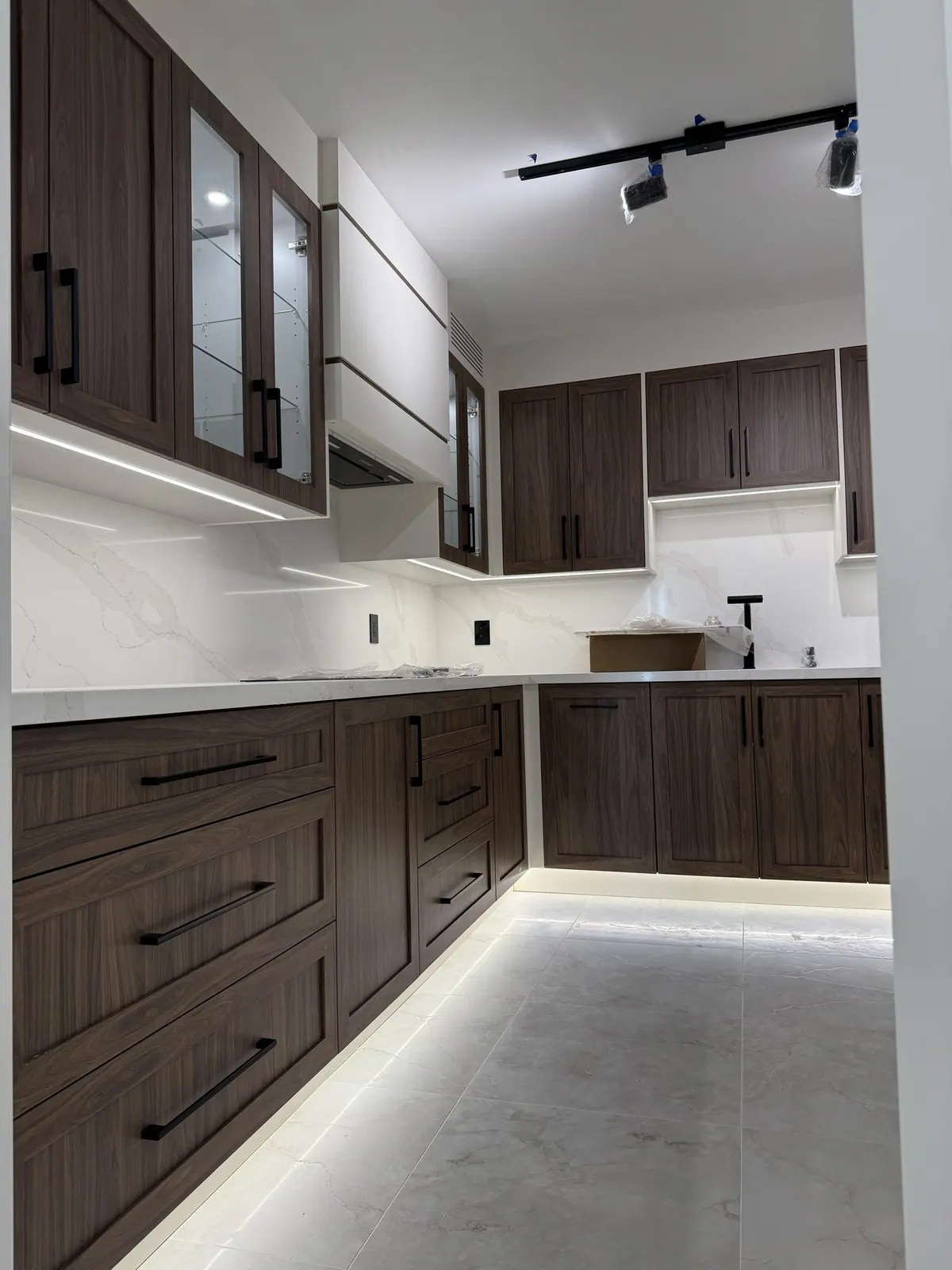
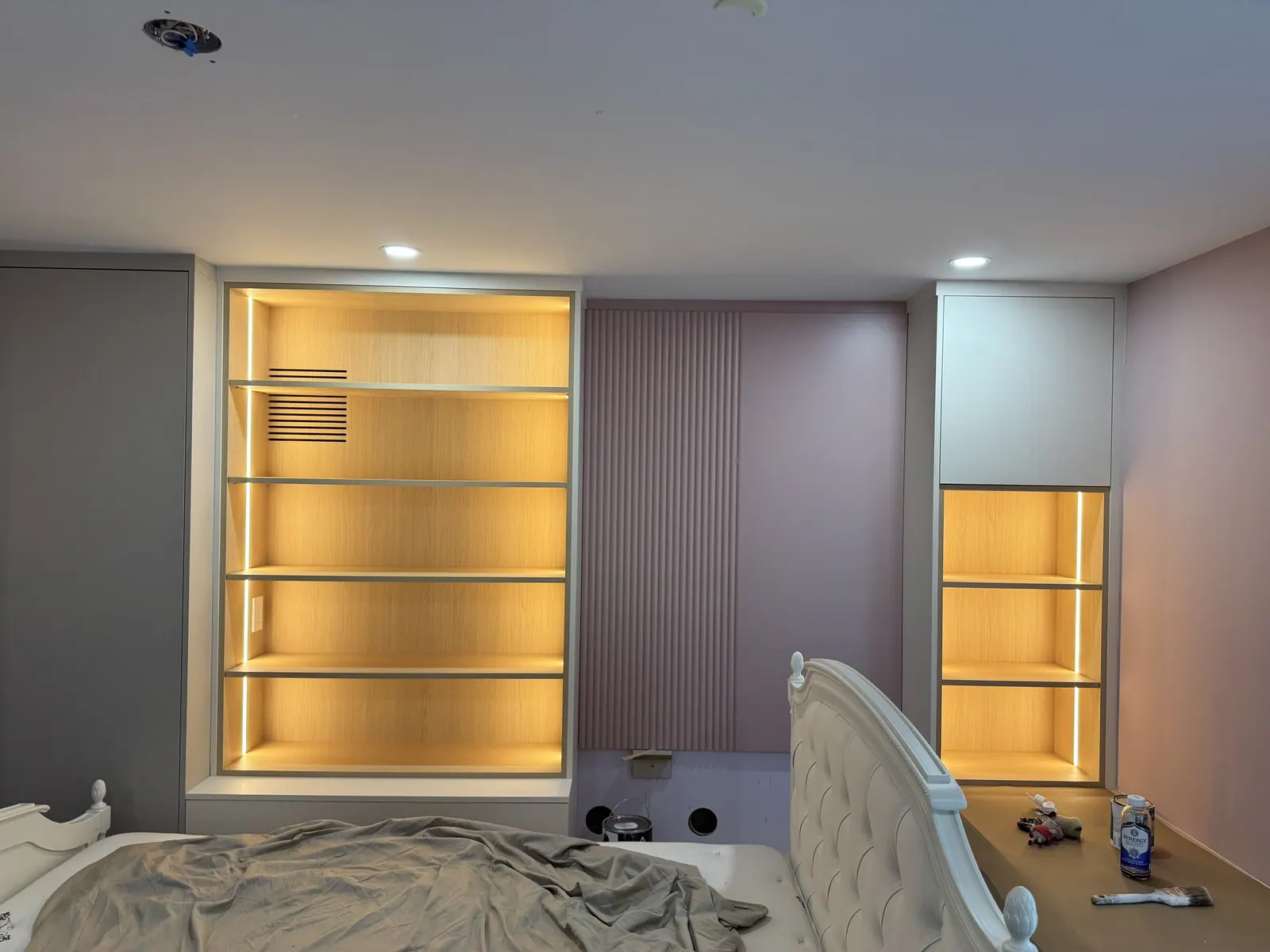
Kitchens need dedicated circuits for appliances and properly protected counter outlets. Bathrooms need ground-fault protection. Finished basements need lighting, outlets and often extra circuits. Wiring is easiest before the drywall goes up, so the best time to call is while the renovation is still being planned.
Most renovation wiring gets an ESA inspection before the walls are closed, so it is worth lining up the electrical work early in the schedule.
New circuits and outlets
- Dedicated circuits for appliances, home offices and workshops
- Extra outlets where you actually need them, including outdoor outlets
- Moving or adding switches and fixtures
- Circuits for new equipment in offices and stores
Replacing old wiring
Knob-and-tube wiring is common in houses built before about 1950. It has no ground wire, its insulation gets brittle with age, and it was never meant to be buried in modern insulation. Many insurance companies ask for it to be replaced before they will cover the home.
Aluminum branch wiring was used in some homes built from the mid-1960s to the late 1970s. The wire itself isn't the main issue; the connections can loosen and overheat over time. The fix is either repairing the connections with approved methods or replacing the circuits.
A rewire doesn't always mean the whole house at once. It can be done room by room or together with a renovation, and we tell you plainly what has to be done now and what can wait.
Commercial wiring
For offices, retail units and storefronts: wiring for new layouts and renovations, lighting circuits, dedicated circuits for equipment, and signage connections. We work on residential and commercial properties only, not industrial sites.
Wiring work needs an ESA notification, and only a Licensed Electrical Contractor can file it. RD Electric Services Inc. is licensed: ECRA/ESA #7018810 (verify on ESA).